




Earthing
Lightning Protection and Grounding of Railway Systems
What is the importance of lightning protection and grounding in railway systems? Learn effective methods and practices for safe transportation!
 \n
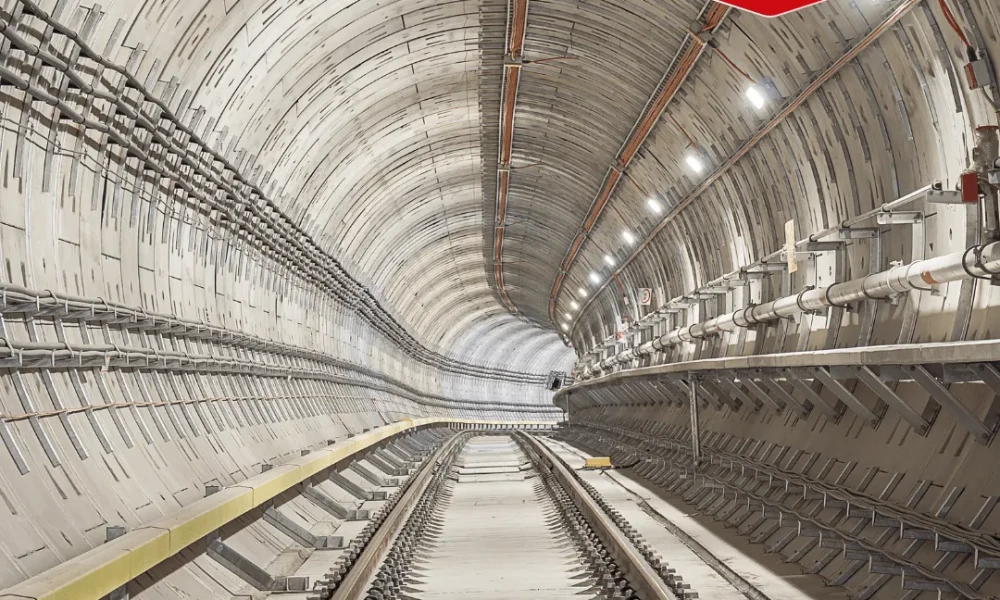
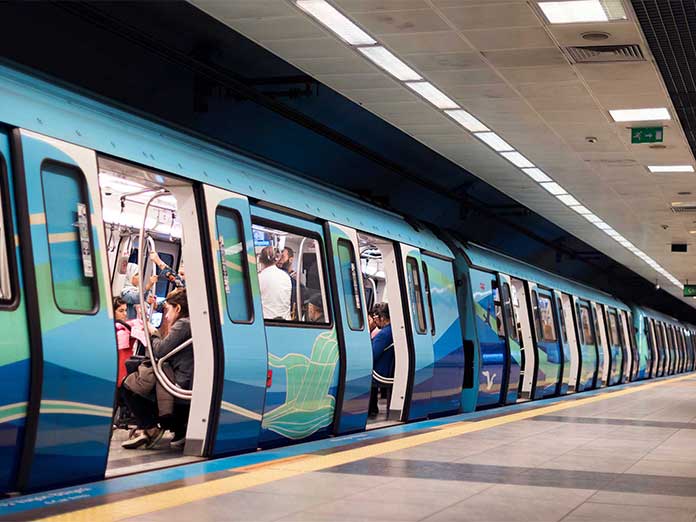
Lightning protection, earthing and surge protection for stations, tunnels and line structures on metro, tram and railway routes.
\nOn a rail line, protection does not end at the roof of a single building. Stations, tunnels, viaducts, depots and traction buildings operate along the same route, and signalling and communications depend on that chain. In passenger areas, life safety comes first. On the exposed sections of the line, lightning more often enters through the signalling and communications cables than through the power cable. Vibration and moisture also loosen connections over time. We therefore treat air termination, earthing, equipotential bonding and surge protection as one system for the whole line, not as separate packages.
Viaducts, tunnel mouths, depots and tall station volumes stay exposed to lightning. The air-termination arrangement follows the geometry of the structure.
A surge that affects the service is more likely to arrive on a signalling or communications cable than on the power line. Those circuits are protected separately.
If the platform, the steelwork, the cable tray and the earthing are not at the same potential, a touch voltage appears.
The line vibrates and gets wet. A mechanical clamp can loosen over time; the joint has to stay low-resistance.
What is the importance of lightning protection and grounding in railway systems? Learn effective methods and practices for safe transportation!