 TR
TR  EN
EN  AR
AR  ZH
ZH  FR
FR  DE
DE  IT
IT  PT
PT  RU
RU  ES
ES  UK
UK 
 Can Durağan
 The Role of Test Terminals and Other Materials in Lightning Protection Systems
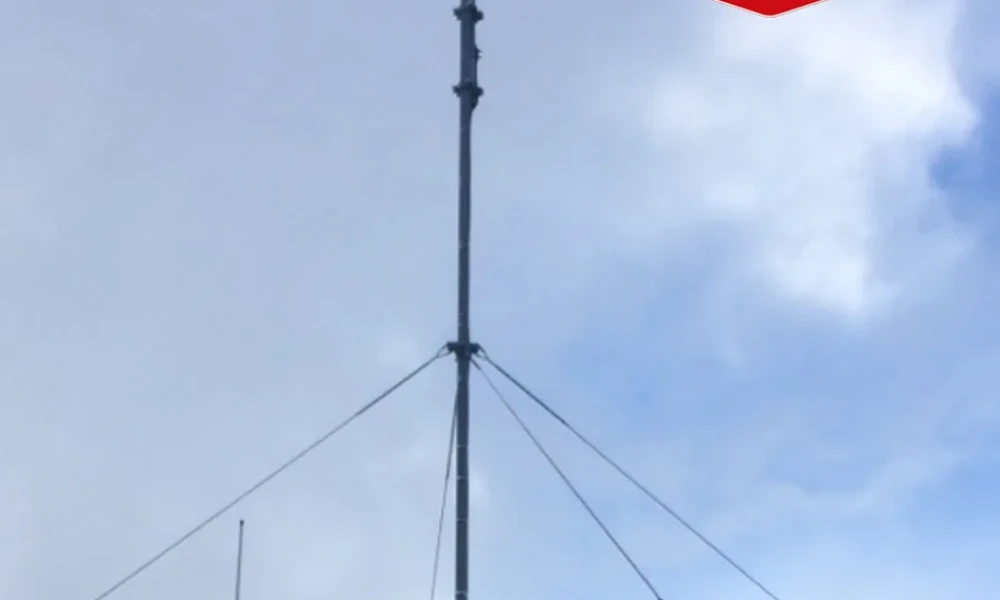
Considering lightning risk calculations, the use of test terminals in buildings is critical for the reliability of lightning protection systems. While 50% of the lightning current flows to the ground, the remaining 50% completes its circuit through the system. In this case, the quality of the materials used in the lightning protection system and its proper installation play a vital role in protecting buildings from lightning strikes.
What is a test terminal?
Test terminals , known as connectors in electrical systems, play a special and critical role in lightning protection systems. Lightning protection test terminals are a fundamental component used to separate the external lightning protection system from the grounding system during periodic measurements and maintenance. This functional separation is necessary to verify the system's proper functioning.
First, it's important to understand the primary purpose of using a test terminal. Before measurement, this terminal is used to isolate the systems. This allows for the measurement of only the grounding resistance or only the continuity of the lightning protection system separately. This isolation is vital for evaluating the isolated performance of each system.
What is the purpose of a test terminal?
Test terminals are mechanical components in lightning protection and grounding systems that enable the connection of down conductors to each other or to a circuit element. Generally made of metal, these parts are covered with insulation materials to increase electrical conductivity and safety. As part of lightning protection and lightning rod components , terminals are widely used in electrical installations, panels, and various devices.
In addition, the test terminal is of great importance from a safety perspective. Because it offers the possibility of quick disconnection in case of a malfunction, it is a critical safety component for maintenance personnel. Furthermore, it plays a vital role in ensuring that electrical connections are maintained in an orderly and safe manner.
Additionally, its main functions include conducting electrical current, protecting connections, and providing insulation. These functions are crucial for the reliability of the system, especially during high-energy electrical events such as lightning.
In conclusion, using a test terminal in a lightning protection system is essential for accurately evaluating system performance, enhancing safety, and facilitating maintenance procedures. This component allows technical personnel to periodically check the effectiveness of lightning protection systems, enabling them to make necessary interventions in a timely manner.
Why is the test terminal important?
The use of test terminals in lightning protection systems and lightning rod applications is critically important for the safety of life and property. Approximately eight million lightning strikes occur worldwide every day, and these events can create serious risks. Therefore, regular maintenance and measurements play a key role in maintaining the effectiveness of lightning protection systems.
The test terminal makes it easy to measure the grounding resistance. According to standards, the lightning rod grounding resistance should be below 5 ohms. If this value is exceeded, an additional stake must be installed and the copper conductor replaced. Furthermore, it is important that all connections except the test terminal are monolithic; without this component, it is impossible to determine whether the system is functioning correctly.
Annual maintenance of lightning protection systems is a legal requirement. During these checks, the test terminal ensures the verification of electrical continuity. In active lightning rods, the system is also checked after a lightning strike, again via the test terminal.
Thanks to regular checks and the use of test terminals:
- The electrical continuity of the installation is being verified.
- Grounding resistance is being measured.
- Corrosion is being investigated.
- The connections of the electrical conductors and other elements to the structure are being checked.
In conclusion, the use of test terminals plays a critical role in achieving the primary function of a lightning rod: "to ensure that lightning discharge flows to the ground via the shortest path." Ensuring that a lightning protection system in a building complies with standards and technical requirements is only possible through regular testing and maintenance. Therefore, test terminals are an indispensable component for the reliability and effectiveness of lightning rod systems.
Functional Classification of Lightning Rod Materials
Materials used in lightning protection systems are classified into different categories according to their function. Primarily, these materials are grouped around two basic components: the air terminal (lightning rod) and the grounding systems. These two basic components work together to contain the energy of lightning and safely ground it.
Functionally, lightning protection systems are divided into two categories: external and internal lightning protection. External lightning protection protects the facility directly from lightning strikes. Internal lightning protection provides protection against overcurrent and overvoltage surges that may occur in power lines. Internal lightning protection systems are generally grouped into classes B, C, and D. They are used in a complementary manner.
Accordingly, lightning protection systems can be functionally classified as follows:
- Franklin Rod Lightning Rod - Works using a pointed tip capture method.
- Faraday Cage - Provides protection with a cage system surrounding the structure.
- Active Lightning Protection Systems - Electrostatic or piezoelectric crystal types are available.
The test terminal is a critical connection element in these systems that enables the measurement of grounding resistance. Other essential components of the system include the lightning rod pole , pole mounting clamp , brackets (pole, tile and wall brackets) , down conductor, protective conduit , and grounding electrode.
Furthermore, the TS EN 50164 standard (new version TS EN 62561) states that lightning protection materials are classified into two main categories.
- Specifications for connecting elements and conductors.
- Specifications for grounding electrodes
These standards are approved by the IEC and are accepted by more than one hundred countries worldwide.
However, the choice of materials directly affects the performance of the lightning rod. The lightning rod pole is generally made of galvanized pipe. 50 mm² solid copper is preferred as the down conductor. The lightning rod test terminal is an important functional component that facilitates regular inspection and maintenance of the system.
Other Important Lightning Rod Materials
A lightning protection system requires several critical components besides the test terminal to function effectively. These components work together to safely channel lightning energy to the ground. Especially in tall buildings, the quality and correct installation of these materials directly affect the system's success.
Catching Sticks (Franklin Sticks)
These are important components located at the highest point of the lightning protection system. These rods, at least 50 cm long and made of stainless steel, are placed at the highest points of the structure. They are positioned at intervals of up to 15 meters along the same roof plane, especially starting from the corners. However, the poles carrying the lightning rods are generally made of galvanized pipe, usually 6 meters long.
Download Conveyors
It is responsible for conducting lightning current from the lightning arrester system to the ground. The minimum cross-sectional values for these conductors vary according to the protection level. It is recommended to use 35 mm² for copper, 70 mm² for aluminum, and 50 mm² for galvanized iron. Furthermore, for active lightning arresters, the minimum down conductor cross-sections should be 2x8 mm for copper (solid circle cross-section), 2x8 mm for stainless steel, and 2x10 mm for aluminum.
Lightning rod materials include various types of hooks:
- Pole clamp : Allows the down conductor to be gathered on it.
- Tile clamp : Ensures the down conductor remains fixed in place.
- Wall bracket : Secures the down conductor to the wall.
Casing Pipe
This pipe, where it reaches the ground, is 2.5-3 meters long and made of stainless steel or galvanized steel. It minimizes damage to the conductors from the external environment. When the conductors are routed through this pipe, using PVC tubing around them provides additional protection against mechanical and electrical stresses.
Grounding Electrode
It is fixed to the ground to reduce resistance and determines the effectiveness of the entire system. All these components work together with the lightning rod test clamp to protect structures from lightning hazards. Corrosion resistance and conductivity properties should be prioritized when selecting materials.
The use of test terminals is an indispensable element in the proper functioning of lightning protection systems. Furthermore, annual maintenance of lightning protection systems is a legal requirement. Neglecting this maintenance can reduce the system's protection capacity and endanger life and property. Regular checks using test terminals are key to the long-lasting and efficient operation of the system.
Frequently Asked Questions (FAQ)
What is a lightning rod test terminal and what is its purpose?
The lightning protection test terminal is a crucial component used to separate the external and grounding components of a lightning protection system. This allows for separate measurement of grounding resistance and the continuity of the lightning protection system, enabling verification of the system's proper functioning.
Why is regular maintenance important for lightning protection systems?
Regular maintenance of lightning protection systems is critical for maintaining the system's effectiveness and meeting legal requirements. Annual maintenance includes important checks such as checking grounding resistance, inspecting for corrosion, and verifying the integrity of connections.
What are the basic materials used in lightning protection systems?
Lightning protection systems utilize essential materials such as lightning rods, down conductors, various types of clamps, protective pipes, and grounding electrodes. The quality and correct installation of these materials directly affect the success of the system.
What is the ideal resistance value for lightning rod grounding?
The ideal resistance value for lightning rod grounding should be below 5 ohms. This value ensures that lightning energy is safely transmitted to the ground and is critical for the system's effectiveness.
How do active lightning protection systems work?
Active lightning protection systems, with their electrostatic or piezoelectric crystal types, control lightning energy. These systems create a protective field surrounding the structure, safely conducting the lightning current to the ground and protecting buildings from lightning strikes.
