 TR
TR  EN
EN  AR
AR  ZH
ZH  FR
FR  DE
DE  IT
IT  PT
PT  RU
RU  ES
ES  UK
UK 
 Can Durağan
 The Importance of Grounding in Petrochemical Plants and Determining Product Configurations
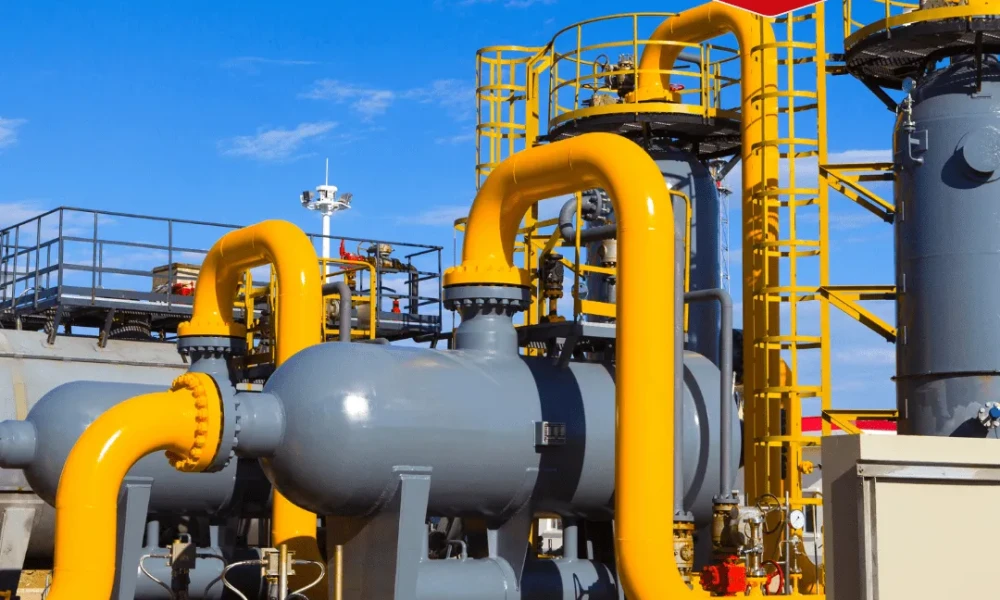
Petrochemical plants are industrial areas where complex and hazardous processes are carried out. Safety is critical in these facilities for the uninterrupted and smooth operation of processes. Grounding systems play a fundamental role in ensuring electrical safety in petrochemical plants, as proper grounding protects both equipment and personnel.
The Importance of Grounding in Petrochemical Plants
Grounding enhances the safety and functionality of electrical systems. In petrochemical plants, static electricity buildup and electrical faults pose serious risks, potentially leading to disasters such as fires and explosions. Grounding systems are used to minimize these hazards.
- Electrical Safety and Equipment Protection: Grounding ensures that overcurrents caused by electrical faults are safely discharged to the ground. This prevents damage to equipment and maintains operational continuity. Furthermore, grounding reduces electrical noise and interference.
- Static Electricity and Explosion Risks: Static electricity builds up during the transfer of liquids and gases in petrochemical plants. If this buildup is not properly grounded, it can cause sparks and consequently explosions. Grounding systems ensure the safe dissipation of static electricity.
Selection of Grounding Products in Petrochemical Plants
Choosing the right product is critical for the effectiveness of grounding systems in petrochemical plants. The quality and suitability of each component affect overall system performance. Factors to consider are as follows:
- Material Quality and Standards: The quality of materials used in the production of grounding components is crucial for the durability and safety of the system. Therefore, products conforming to international standards should be preferred.
- Product Selection According to Application Area: Every petrochemical plant has a different structure and needs. Therefore, products should be selected according to the specific requirements of the plant. For example, stainless steel components should be preferred in areas with a high risk of corrosion.
Determining Product Configurations
Grounding systems in petrochemical plants must be customized to the plant's needs. Selecting and configuring the correct products is critical to the system's effectiveness.
Grounding Electrodes and Conductors
The basic components of grounding systems include grounding electrodes and conductors. Electrodes are the components that conduct electrical current to the ground. Conductors are the connecting elements that carry this current to the electrodes. Factors such as conductivity and corrosion resistance should be considered when selecting materials.
Equipotential Busbars and Insulators
Equipotential busbars ensure that different metal parts are at the same potential. This prevents hazards arising from potential differences.
Insulators provide electrical insulation, preventing unwanted current paths. The correct selection and placement of these components are crucial for the safety of the system.
Grounding Sockets and Test Devices
Grounding sockets ensure that portable devices are safely grounded. Test devices are used in petrochemical plants to check the effectiveness and continuity of the grounding system. Regular testing increases the reliability of the system and prevents potential malfunctions.
Maintenance and Continuity of Grounding Systems
Regular maintenance of grounding systems is extremely important for long-lasting and reliable operation. Maintenance procedures include the following steps:
- Periodic Inspections: Visual and technical inspections of the system should be carried out at regular intervals. These inspections are important to detect potential wear, corrosion, or damage.
- Grounding Resistance Measurements: The effectiveness of the system should be monitored by regularly measuring the grounding resistance.
- Record Keeping and Documentation: All maintenance, repair, and testing processes for grounding systems must be recorded. This documentation is used to evaluate the system's past performance and prevent potential future problems.
- The Critical Link Between Grounding and Safety: In petrochemical plants, safety is not ensured solely by grounding systems. Personnel training, regular inspections, and comprehensive risk assessments are also essential.
In petrochemical plants, grounding enhances safety and minimizes the risk of explosions and fires. The correct product configurations must be selected to protect electrical equipment and prevent system failures. This is critical for the efficiency and safety of the plant.
For detailed information and suitable solutions, you can visit the Esco Electric grounding category: Esco Electric Grounding .
