 TR
TR  EN
EN  AR
AR  ZH
ZH  FR
FR  DE
DE  IT
IT  PT
PT  RU
RU  ES
ES  UK
UK 
 Can Durağan
 Proper Grounding Methods to Protect Against Electrical Leaks
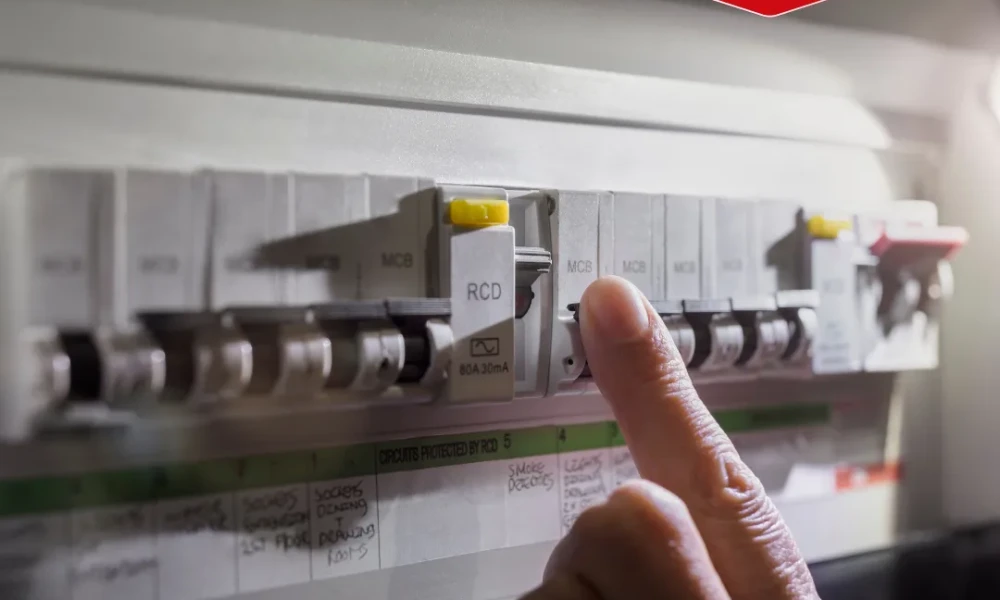
Grounding methods are vital for the safety of our electrical devices. The risk of electric shock, which we may encounter in our daily lives, is a serious risk that can be minimized with the right precautions. In this article, we will explain how to prevent electrical leaks and how to ensure your safety.
Why are electrical leaks dangerous?
Electrical leaks are dangerous situations that occur when electrical energy leaks uncontrollably to unwanted areas. They can manifest as symptoms such as overheating electrical outlets and frequently blown fuses. This increases the risk of electric shock, potentially leading to life-threatening problems such as cardiac arrest and respiratory failure. It has been reported that thousands of people worldwide die each year from this cause, with children and young people being particularly affected. Furthermore, electrical leaks increase the risk of fire due to poorly maintained cables and overloaded systems. In 2007 alone, 13,568 of the 23,778 fires in Istanbul were found to be electrical in origin.
In addition, electrical leaks can damage your devices and render them unusable. In environments with electrical leaks, metal surfaces can become electrically charged. People touching these surfaces are at risk. Grounding methods are crucial to minimize such risks. An effective grounding system ensures that leakage currents are safely transmitted to the ground. If we consider what grounding is for , it primarily provides protection against electric shocks, fires, and device damage. Furthermore, these dangers can be prevented with different types of grounding systems selected according to various needs.
What are the correct grounding methods?
For a safe electrical installation , grounding methods must be correctly selected and implemented. The choice of grounding system depends on the characteristics of the conductor used. This selection plays a major role in the grounding process.
The most common type of grounding is grounding with rod electrodes . This method uses at least 2-3 conductive rods. The diameter of the rods can vary between 12 mm and 25 mm depending on the risk of electric current in the area. Using multiple rods instead of a single long rod is safer because the system continues to function even if one rod fails.
In grounding systems using plate electrodes, plates are used instead of rods. These plates must be at least 1.5 mm copper or 3 mm galvanized steel and have a surface area of at least 0.5 m². An important point is that the soil in contact with the plate must be screened and free of sand or crushed stone.
In grounding using strip electrodes, a copper strip is used. If the strip is round, its diameter should be at least 8 mm; if it is a bar, its dimensions should be at least 25x2 mm. Its length should be at least 20 m, and the surrounding soil should be screened.
Other grounding methods include:
- Crow's foot grounding : This is done by digging channels into the ground 80 cm deep in a fan shape, with three branches forming the channel.
- Underground water pipes for grounding : They must be at least 50 m long and must not contain any PVC sections.
- Building grounding with perimeter electrodes : The perimeter of the building is surrounded with an uninsulated conductor and grounded with electrodes. The distance between electrodes should be at least 3 m.
Proper grounding prevents fatal electric shocks. Therefore, soil composition, moisture content, and the requirements of the application area should be considered when choosing grounding methods . Low grounding resistance increases the efficiency of the system and reduces the risks that may arise from atmospheric electrical discharges such as lightning.
Points to Consider for the Correct Installation of a Grounding System
Establishing an effective grounding system isn't just about choosing the right materials; it also requires attention to technical details. No matter how well-chosen the grounding methods are, mistakes made during installation can jeopardize the overall safety of the system.
First, the cross-section of the grounding cable must be selected correctly. For phase cross-sections larger than 35 mm², the ground cross-section should be half the cross-section of the phase cable.
The grounding rod should be made of copper or galvanized steel and buried at a depth of at least 1 meter. Moist soil is important for measurement and installation; if the soil is dry, water can be added to moisten it.
High resistance values can lead to dangerous electrical leaks and fatal accidents. Conversely, low resistance values ensure that leakage currents are safely conducted to the ground.
In addition, a grounding test must be performed after installation. This test should be carried out with appropriate grounding measuring devices, and the results should be recorded. Although there are different types of grounding, periodic checks should not be neglected in any of them. For industrial facilities, checks should be carried out annually, and in environments containing hazardous and explosive materials, checks should be carried out at most every year.
Connection points can be detached but must be robust. The splices connecting the grounding network to the main network must be carefully constructed. They should be regularly checked for corrosion and breaks. A properly installed grounding system will provide reliable service for many years.
Grounding methods are one of the cornerstones of electrical safety. As a result, a proper grounding system saves lives, prevents material damage, and extends the lifespan of our appliances. Consequently, being aware of grounding methods is essential for ensuring safety in every home or workplace that uses electricity. Because the precautions you take against electrical leaks will prevent not only financial but also moral losses.
Frequently Asked Questions (FAQ)
What are the risks of not having grounding in your home?
Without grounding, in the event of an electrical leak, current can pass directly to devices or people. This increases the risk of electric shock, can cause device malfunctions, and can create a fire hazard.
How to Perform Proper Grounding?
For proper grounding, the grounding rod must be buried at least 1 meter deep. A cable of the appropriate cross-section should be used. Connections must be securely made.
Which grounding methods are most commonly used?
The most common grounding methods include grounding with rod electrodes, plate electrodes, and strip electrodes. Other commonly used methods include crowbar grounding, grounding via underground water pipes, and grounding via building perimeter electrodes.
How should a grounding system be maintained?
Grounding systems should be regularly inspected and tested. In industrial facilities, inspections should be carried out annually, and in environments containing hazardous materials, inspections should be performed at most every year. Connection points should be regularly examined for corrosion and breakage.
