



Earthing
Types of Grounding: Industrial, Building, and Transformer Grounding
Grounding systems form the cornerstone of electrical safety and, when correctly implemented, prevent serious accidents.
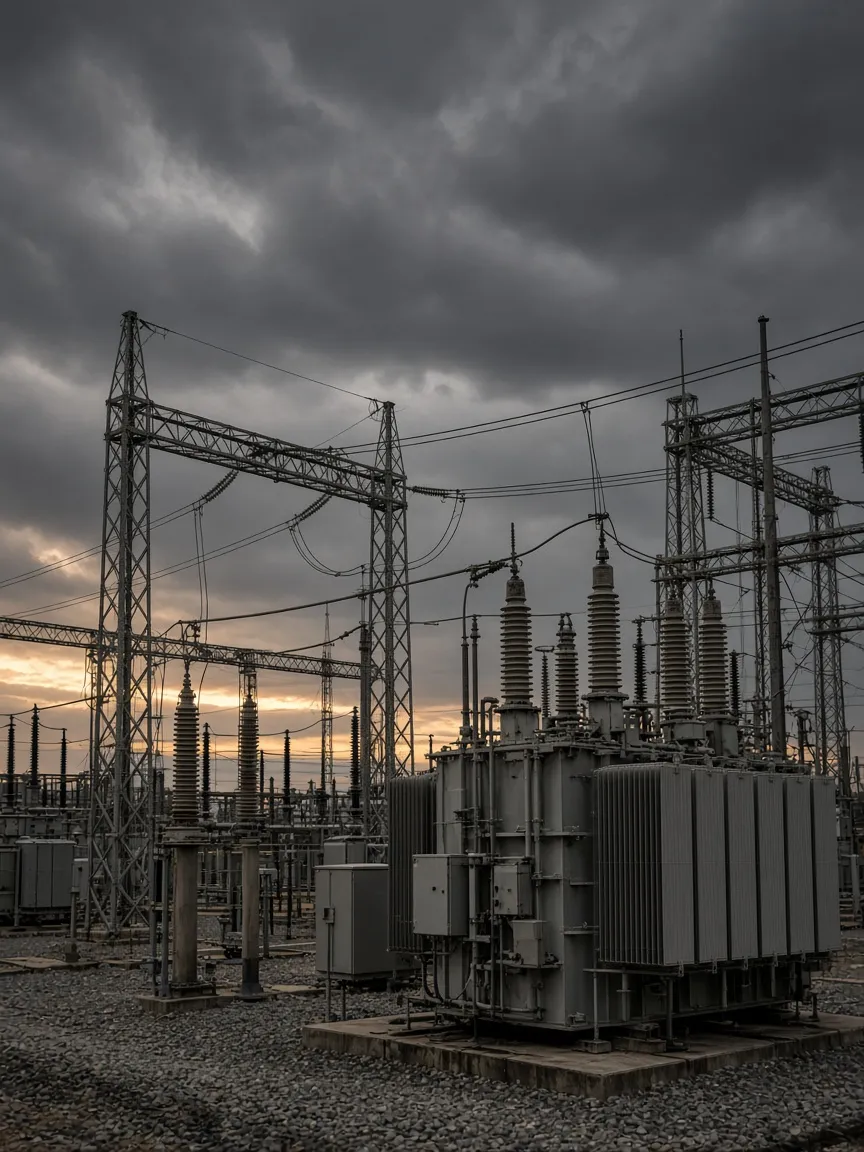
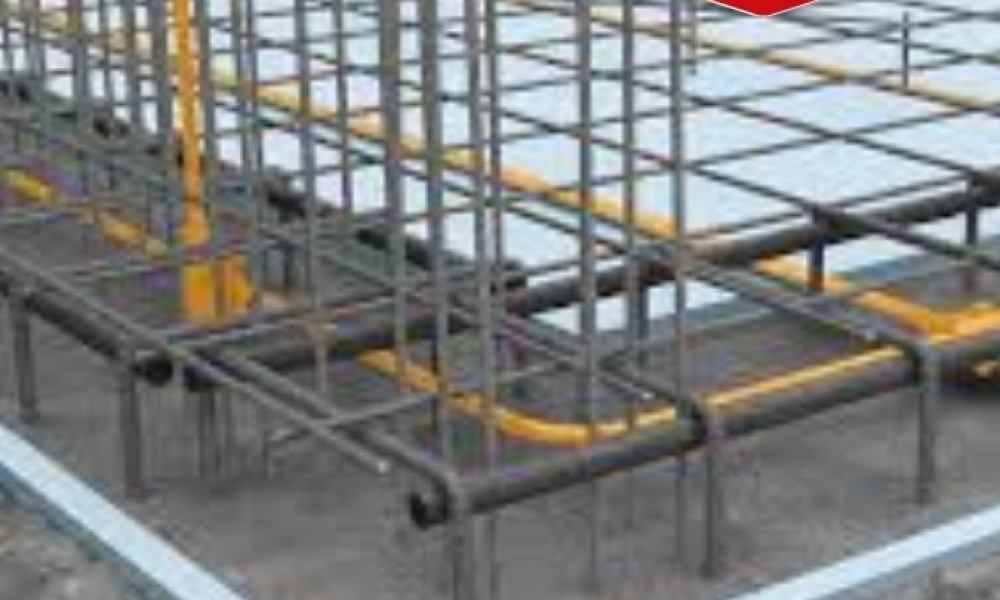
Earthing networks and permanent joints that limit step and touch voltages in power plants, substations and switchyards.
In power generation and transmission facilities the earthing system is at the centre of the design, both to distribute fault currents safely and to protect people from step and touch voltages. High fault currents require the joints to remain low-resistance for many years.
Thermal and mechanical withstand of the earthing network and its joints.
Mesh geometry determined by calculation, for the safety of people on site.
Direct lightning protection with mast-type and catenary air-termination systems.
The need for surge protection and equipotential bonding in protection and control systems.
Grounding systems form the cornerstone of electrical safety and, when correctly implemented, prevent serious accidents.
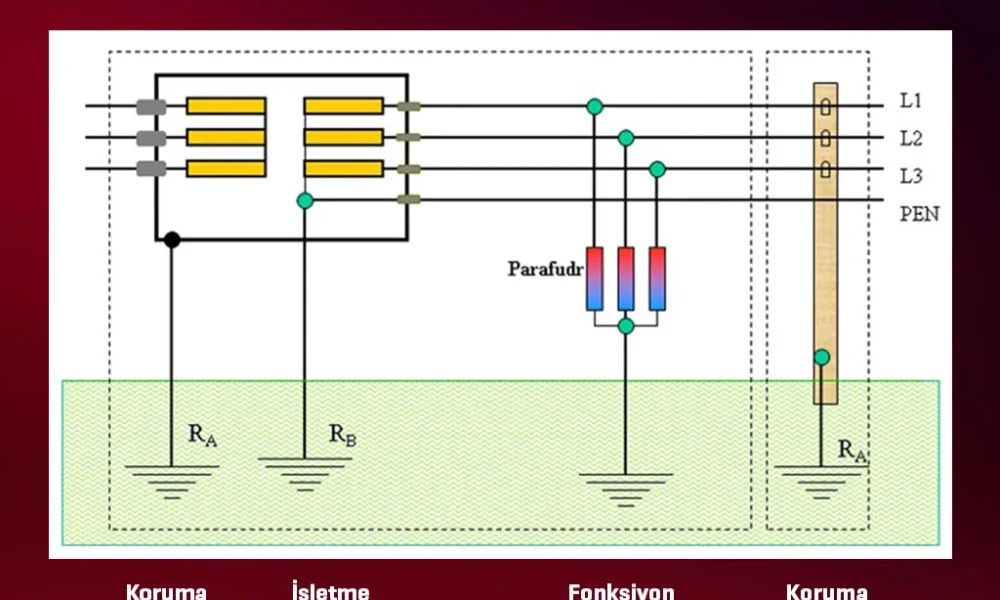
According to international regulations, three types of low-voltage power grids are defined.